2026-10-22 ·
Condensation Problems After Spray Foam Removal in Grimsby Attics
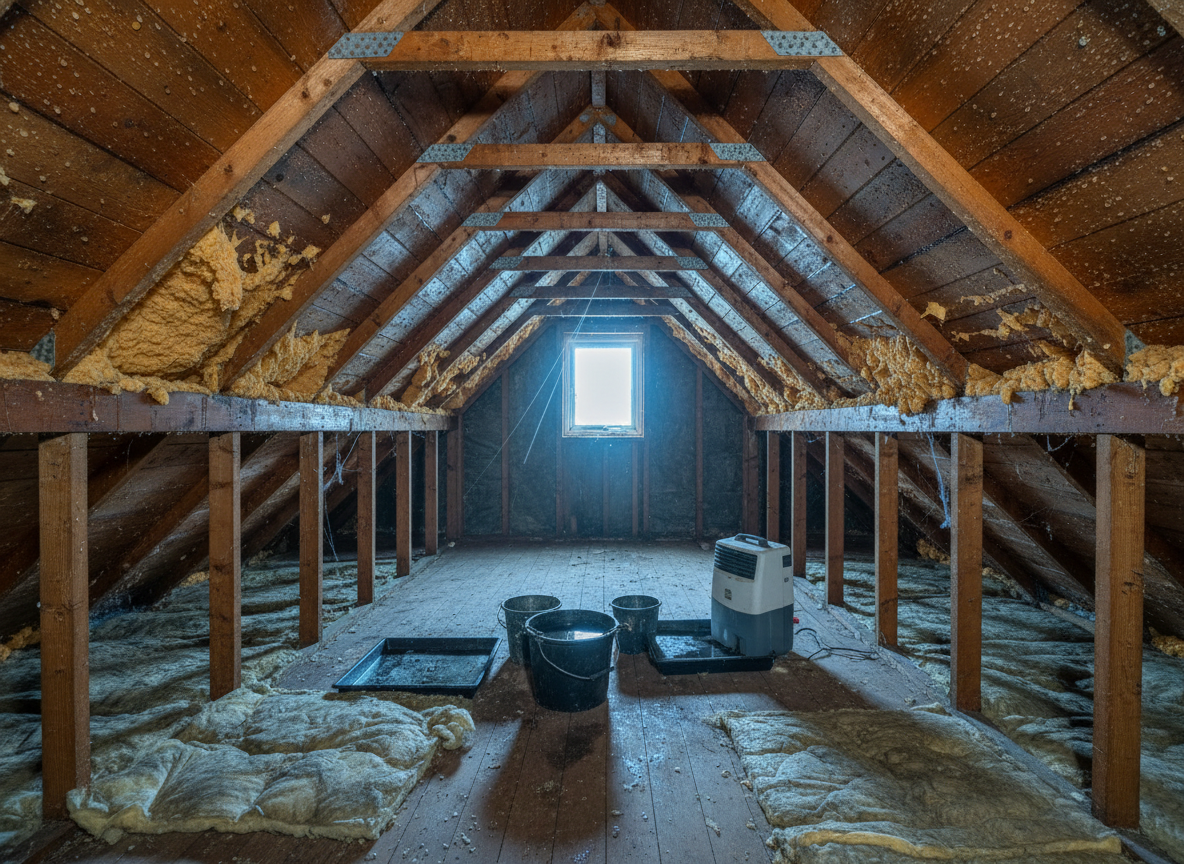
Removing closed cell spray foam from Grimsby attics often leads to visible condensation forming on roof timbers within 2–6 weeks if ventilation gaps are not reopened during the job. The foam previously blocked moisture movement in these older properties, and its absence leaves rafters and felt exposed to the area's damp maritime air.
Why Condensation Develops After Removal
Grimsby’s older terraced houses, common along streets near 18 Hainton Ave, were built with minimal roof ventilation. Spray foam sealed every gap, but once removed the original airflow paths remain blocked by debris or modern felt. Cold air from the North Sea meets warmer indoor air rising through ceilings, creating moisture on the now-unprotected timber. This cycle repeats nightly during autumn and winter when temperatures drop below 8°C. Without an insulation assessment to map remaining heat loss points, homeowners see mould spots appear on chipboard loft floors within a single season.
Local Housing Stock and Weather Factors
Many Grimsby properties built before 1950 have narrow eaves and no ridge vents, a detail that becomes critical after attic spray foam removal. The town’s frequent high humidity and 120+ days of rainfall each year mean any unsealed penetration lets moisture linger. In areas such as Cleethorpes Road and the West Marsh, wind-driven rain can push water under tiles that previously stayed dry under the foam blanket. Residents notice drips forming on loft insulation within days of a cold snap, exactly because the foam’s vapour barrier is no longer present.
Practical Steps to Reduce Condensation Risk
After removal, install continuous eaves vents along both sides of the roof and add a ridge vent where the pitch allows. Check that felt laps are intact and replace any torn sections before laying new insulation. In Grimsby attics with limited headroom, 50 mm of breathable insulation board fixed between rafters often restores thermal performance without recreating the sealed-box problem. Homeowners in Immingham and Louth report fewer issues when they also fit a simple humidity-controlled extractor fan at the gable end.
When Further Assessment Is Needed
Persistent black mould or water staining on rafters after three weeks signals the need for a targeted insulation assessment. A technician can measure timber moisture content and identify whether the original foam removal missed closed cavities. Properties in Waltham and Laceby with recent loft conversions often require additional work because new plasterboard ceilings trap rising vapour. Linking removal work to proper post-job ventilation prevents repeat calls and keeps roof timbers sound for another 20–30 years.
Continuing Your Research
Readers dealing with similar issues in Lincolnshire homes can review what influences spray foam removal costs in Lincolnshire homes to understand full project scope. Those preparing older Grimsby terraced houses may also find value in why spray foam fails in older Grimsby terraced houses before booking attic spray foam removal.