2026-10-22 ·
Why Spray Foam Fails in Older Grimsby Terraced Houses
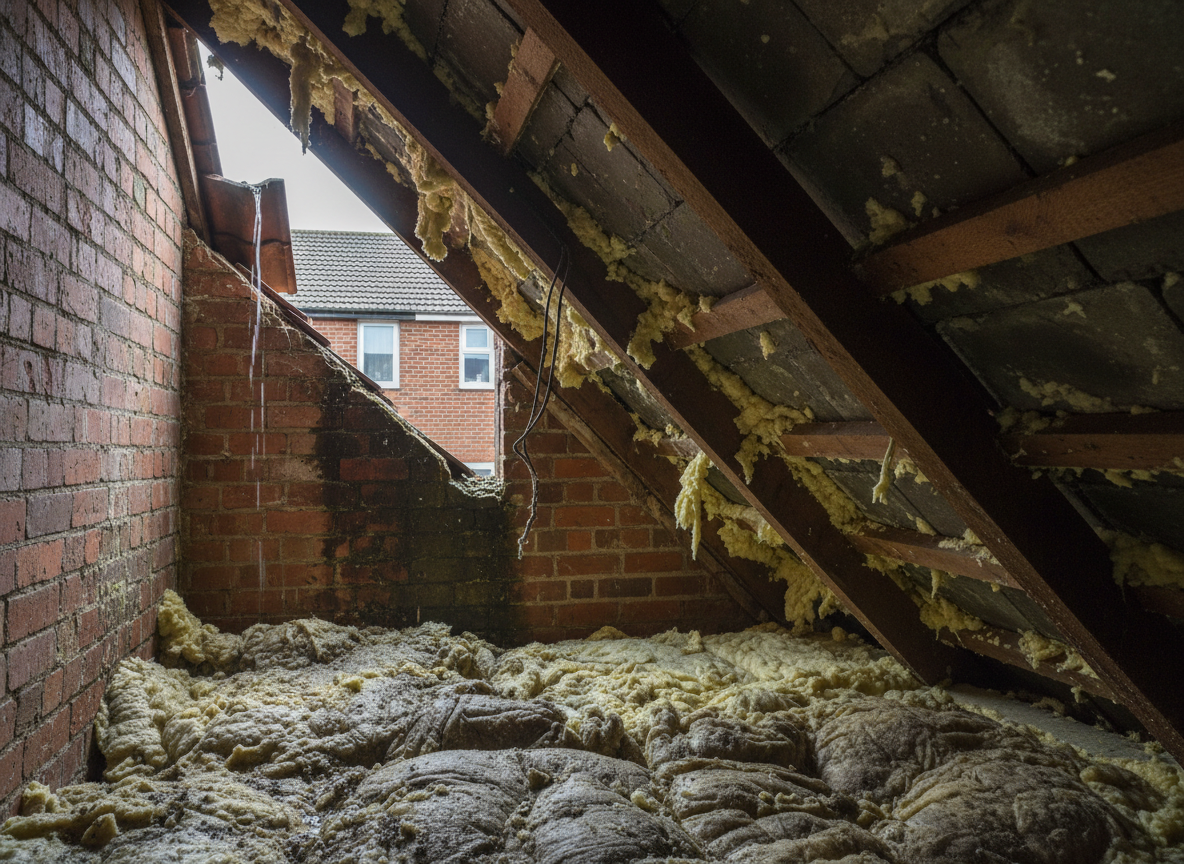
Spray foam fails in older Grimsby terraced houses primarily because the solid brick walls and limited roof ventilation trap moisture against timber joists, leading to rot within 5–10 years of installation.
Solid Brick Construction Traps Moisture
Grimsby terraces built before 1919 typically feature solid brick walls without cavities, unlike later cavity wall homes in areas such as Cleethorpes. When closed cell spray foam is applied to the underside of the roof, it seals in any rainwater that enters through aging tiles or flashing. Over time this creates damp conditions that degrade the rafters and ceiling joists. Homeowners in streets around Hainton Avenue report visible staining and musty smells within eight years because the foam prevents the natural drying that these solid walls once allowed. An insulation assessment can identify these hidden issues before removal begins.
Poor Loft Ventilation in Victorian Terraces
Many Grimsby terraces retain original slate roofs with minimal eaves gaps, providing far less airflow than modern builds require. Spray foam blocks the remaining air paths, raising humidity levels in the loft space during Lincolnshire's frequent damp winters. Condensation then forms on the cold roof timbers, accelerating fungal growth and weakening structural members. Properties in central Grimsby neighborhoods show this pattern more often than newer estates because the original design relied on breathable materials rather than sealed insulation layers.
Seasonal Weather and Roof Pitch Realities
Grimsby experiences prolonged wet spells and strong easterly winds that drive rain under ridge tiles on the shallow pitches common in Edwardian terraces. Once spray foam adheres to these surfaces it cannot accommodate the movement caused by temperature swings between 2°C and 18°C typical in the region. Small cracks form at the foam-timber interface, allowing further water ingress. This cycle repeats each winter, shortening the effective life of the insulation compared with installations in better-ventilated roofs.
Interaction with Mortgage Lender Requirements
Lenders increasingly flag spray foam in pre-1919 Grimsby homes because it obscures roof timbers during surveys, raising concerns over hidden decay. Removal often becomes necessary before a sale can proceed. Linking to mortgage lender spray foam removal helps owners understand the process, while the related article on condensation problems after spray foam removal in Grimsby attics explains post-removal drying steps. Proper loft spray foam removal restores airflow and allows inspection of the original timbers.
Practical Steps for Grimsby Homeowners
Start with a thorough inspection of the loft space during dry weather to locate entry points for moisture. Document any staining on rafters and note the condition of existing vents. Once removal is scheduled, plan for temporary ventilation measures such as ridge vents or soffit grilles to prevent repeat issues. Owners in Grimsby and nearby Waltham have found that combining removal with targeted timber treatment extends the life of the roof structure by decades.